What to Expect During a Professional Roof Certification
People seeking roof certification typically want to verify their roof’s condition; local contractors can perform inspections and provide the certification needed for selling, buying, or insurance requirements.
If you're considering a professional roof certification, understanding what the process involves can help set expectations and ease any concerns. Typically, property owners in the area seek roof certification services for reasons like preparing for a sale, ensuring compliance with insurance requirements, or assessing the condition of an aging roof. During a certification, local contractors will thoroughly evaluate the roof’s overall health, looking for signs of damage, wear, or potential issues that could affect its performance or longevity. This inspection provides a clear picture of the roof’s current state, helping owners make informed decisions about maintenance, repairs, or replacements.
Keep reading to learn more about what to expect during a professional roof certification and how local service providers can assist with this important evaluation. These experts bring the knowledge and experience needed to conduct comprehensive inspections, offering peace of mind for property owners who want to ensure their roofs are in good shape or identify any areas that need attention. Whether preparing for a sale or simply maintaining the property, understanding the process can help make the experience straightforward and stress-free.
- Roof Inspection - homeowners may need this service when preparing for a roof certification to assess current conditions and identify potential issues; local contractors perform thorough visual and structural evaluations.
- Roof Repair - if damage or deterioration is found during inspection, service providers can address issues to ensure the roof meets certification standards.
- Roof Maintenance - regular upkeep may be recommended to prolong roof life and ensure it remains in compliant condition for certification purposes.
- Damage Assessment - in cases of storm or accident damage, professionals evaluate the extent of repairs needed to pass certification requirements.
- Roof Replacement - when repairs are no longer sufficient, local pros can handle complete roof replacements to meet certification criteria.
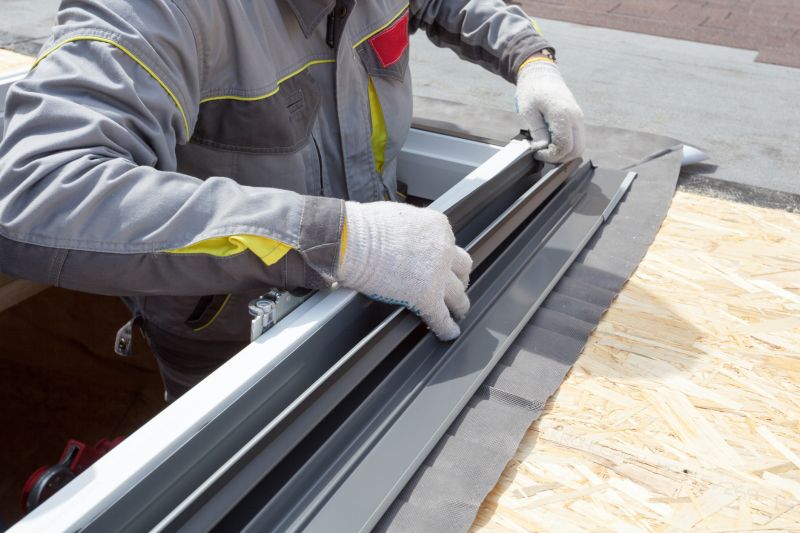

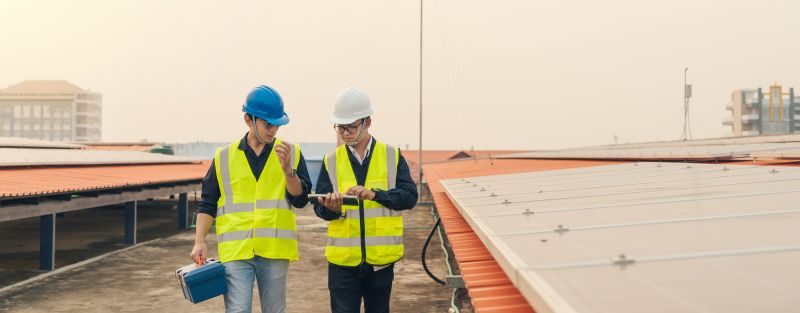
A professional roof certification is a process that homeowners and property owners often seek when they want to verify the condition of their roof. When searching for information on what to expect during a professional roof certification, most people are looking for an in-depth understanding of how the inspection is conducted, what issues might be identified, and how the results can impact their plans-whether it’s selling, buying, or maintaining a property. This type of certification typically involves a thorough assessment of the roof’s overall health, including checking for signs of damage, wear, or potential failure points that could lead to leaks or other problems in the future. Homeowners often want clarity on what the inspection covers and how it can provide peace of mind about the roof’s condition.
Roof certifications are closely related to plans that involve property transactions, insurance requirements, or long-term maintenance strategies. For example, a seller might seek a roof certification to reassure buyers of the roof’s integrity before closing a sale, while a buyer may want the certification to confirm the roof’s condition before completing a purchase. Additionally, property owners planning to refinance or insure their homes often need a roof certification to meet lender or insurer criteria. The process can also be relevant for those preparing for significant repairs or replacements, as it helps identify existing issues that need attention. Understanding what problems are typically uncovered during the certification can help homeowners plan for repairs or maintenance that extend the life of their roof.
The types of properties that usually come up during a roof certification include residential homes-single-family houses, townhouses, and condominiums-as well as small commercial buildings and multi-unit complexes. The age and style of the property often influence what a roof inspection will focus on, with older roofs generally requiring more detailed assessments for signs of deterioration. The materials used, such as asphalt shingles, metal, tile, or wood, also determine the specific inspection points, since each type has its own vulnerabilities. Local service providers who perform roof certifications are experienced in handling a variety of property types, ensuring that the inspection is tailored to the specific roof and its unique needs. Whether dealing with a new roof or one that has seen decades of weather exposure, these professionals can provide a clear picture of the roof’s current state and any necessary repairs or improvements.
During a professional roof certification, homeowners can expect a comprehensive visual inspection performed by experienced service providers. This process typically involves examining the roof from the ground and, if necessary, accessing the roof directly to inspect the surface, flashing, gutters, and ventilation systems. The inspector will look for common issues such as missing or damaged shingles, signs of water intrusion, rust or corrosion on metal components, and any areas where the roof’s structure might be compromised. The goal is to identify any existing problems or potential risks that could lead to costly repairs down the line. Homeowners should be prepared for the possibility of minor fixes if issues are found, and the inspection report will usually include recommendations on necessary repairs or further evaluations, helping property owners make informed decisions about their roof’s future.
Roof Inspection Services - professionals conduct thorough assessments of roof conditions, which are essential for accurate certification and identifying potential issues.
Roof Repair Projects - fixing damaged or deteriorated roofing components requires similar planning and skillsets as those used during certification inspections.
Roof Replacement Services - replacing an entire roof involves detailed planning and understanding of roofing systems, paralleling the evaluation process in roof certification.
Leak Detection and Repair - locating and fixing leaks involves diagnostic skills akin to those used in assessing roof integrity for certification.
Gutter and Drainage System Installation - proper installation ensures effective water runoff, complementing the overall assessment of roof systems during certification.
Storm Damage Restoration - repairing storm-related damage requires similar evaluation and repair planning as the roof certification process.
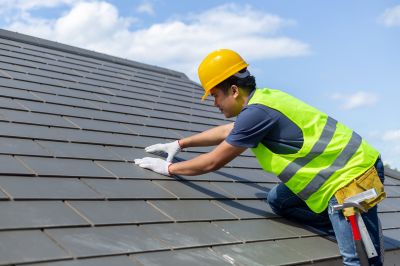
When evaluating local contractors for a roof certification, it’s important to consider their experience with similar projects. A service provider with a track record of conducting roof inspections and certifications on properties like yours can offer a deeper understanding of what to expect during the process. They are more likely to be familiar with common issues specific to your area or roof type, which can lead to a more thorough and accurate assessment. Requesting references or examples of past work can help gauge their familiarity with the scope and complexity of roof certifications, ensuring that they have the practical knowledge needed to handle the inspection professionally.
Clear, written expectations are essential when choosing a service provider for a roof certification. A reputable contractor should be able to provide a detailed outline of what the inspection will cover, including the areas of the roof that will be examined and the criteria used to evaluate its condition. This transparency helps prevent misunderstandings and ensures that both parties are aligned on what the certification process involves. When reviewing proposals or estimates, look for providers who communicate their scope of work clearly and in writing, as this indicates professionalism and a commitment to transparency.
Good communication and reputable references are key indicators of a dependable service provider. A contractor who is responsive and willing to answer questions about their process demonstrates a commitment to customer understanding and trust. Additionally, seeking out references or reviews from previous clients can provide insight into their reliability and the quality of their work. Service providers with positive reputations tend to prioritize clear communication throughout the certification process, making it easier for homeowners to understand what to expect during a professional roof certification and feel confident in the inspection’s accuracy and thoroughness.
Property owners often search for what to expect during a professional roof certification when they are planning practical projects around their homes and businesses. Local pros provide Roof Certification services for everyday jobs and straightforward project options.

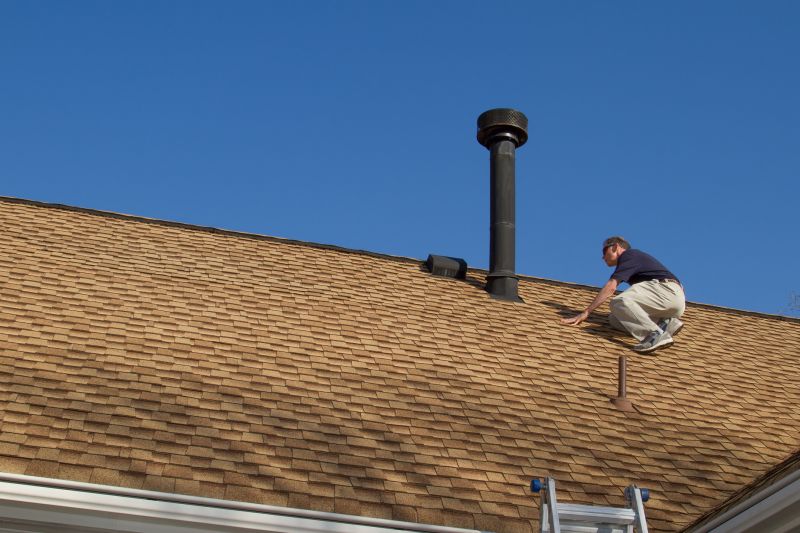
During a professional roof certification, property owners can expect a thorough inspection process carried out by experienced local contractors. This typically involves a detailed examination of the roof’s overall condition, including checking for damaged or missing shingles, signs of wear or aging, and any areas where leaks or water intrusion might be possible. The inspection may also include evaluating the roof’s ventilation, flashing, and drainage systems to ensure everything is functioning properly. Homeowners often appreciate that these inspections are designed to identify potential issues early, helping to prevent costly repairs down the line.
Many property owners seek roof certification services when preparing for a sale, refinancing, or simply to confirm their roof’s integrity. During the process, local service providers usually provide a clear assessment of the roof’s current state and may offer recommendations for repairs or maintenance if needed. This helps homeowners understand what to expect regarding their roof’s longevity and safety. Engaging with experienced local contractors for a roof certification can provide peace of mind, knowing that a professional has thoroughly evaluated the roof’s condition according to standard practices.
What does a roof certification inspection involve? A roof certification typically includes a thorough visual assessment of the roof's condition, checking for damage, wear, and potential issues. Local contractors evaluate the roof's overall integrity and identify areas that may need repair or maintenance to ensure it meets safety and durability standards.
How long does a professional roof certification usually take? The process generally involves an on-site inspection by a service provider, which can vary depending on the size and complexity of the roof. Most certifications are completed within a few hours, providing a detailed report on the roof’s condition.
What should I expect during the inspection process? During a roof certification, a local contractor will examine accessible roof surfaces, inspect for visible damage, and assess structural components. They may also review the roof’s history and maintenance records to provide a comprehensive evaluation.
Will the certification include recommendations for repairs? Yes, many roof certification services include a report that highlights any issues found and suggests necessary repairs or maintenance to help maintain the roof’s integrity and prolong its lifespan.
Are there any preparations needed before a roof certification? Homeowners should ensure access to the roof and clear any obstacles that might hinder the inspection. It's also helpful to have maintenance records available to provide a complete picture of the roof's history to the service provider.
Inspection process overview - Understanding what happens during a roof certification helps property owners prepare for the thorough inspection performed by local contractors.
Identifying potential issues - A professional roof certification can reveal hidden damage or wear that may need attention before it worsens.
Documentation and reports - Local service providers typically provide detailed reports that can be useful for property records or future planning.
Next steps after certification - Knowing what actions to take following a roof certification ensures proper maintenance or repairs are addressed by qualified local contractors.
If you are thinking about what to expect during a professional roof certification for a property, this guide is meant to help you understand this topic, the typical project types, and how different options might fit your plans.
When you are ready, you can use the quote form on this page to share a few details about your project. From there, local pros can review the basics and follow up with options that match what you have in mind.