Signs You Need a Roof Inspection After a Storm
If you notice signs you need a roof inspection after a storm, local contractors can assess damage and ensure your roof’s safety and integrity.
After a storm, property owners often wonder whether their roofs have sustained hidden damage that could lead to bigger problems down the line. Recognizing signs you need a roof inspection after a storm can help prevent costly repairs and ensure the safety of the building’s structure. If you notice missing shingles, visible dents, or granules collecting in gutters, these are clear indicators that a professional assessment might be necessary. Local contractors who specialize in roof inspections can provide expert evaluations to determine if your roof has been compromised and recommend appropriate next steps.
Living in an area prone to storms makes it especially important to stay vigilant about potential roof damage. Even if no obvious issues are apparent, subtle signs such as water stains on ceilings, curled or cracked shingles, or increased debris on the roof surface could point to underlying problems. Connecting with experienced service providers can help you address these concerns early, safeguarding your property from further damage. Keep reading to learn more about how local pros can assist with thorough roof inspections and help you maintain a secure, resilient roof after a storm.
- Roof inspection - needed when storm damage may have caused missing or damaged shingles that compromise roof integrity, with local contractors assessing the extent of the damage.
- Roof inspection - recommended after hail or wind storms to identify potential leaks or structural issues, with service providers performing thorough inspections to detect hidden problems.
- Roof inspection - necessary if debris or fallen limbs are present on the roof following a storm, with local pros checking for punctures or cracks that could lead to future leaks.
- Roof inspection - advised when there are visible signs of water stains or leaks inside the building after a storm, with contractors inspecting the roof to locate and repair damage.
- Roof inspection - important if the roof shows signs of wear or damage from previous storms, with local specialists providing evaluations to determine if repairs or replacements are needed.
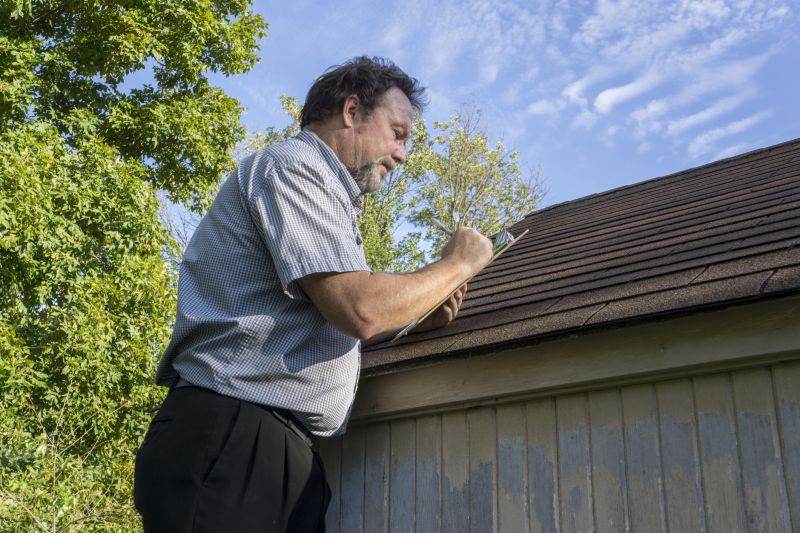

After a storm, many homeowners wonder whether their roof has sustained damage that requires inspection. When searching for signs you need a roof inspection after a storm, people are typically concerned about visible or hidden issues that could compromise the roof’s integrity. Storms-especially those involving high winds, hail, or heavy rain-can cause various types of damage that aren’t always immediately obvious. Recognizing these signs early can prevent more extensive repairs down the line and help maintain the safety and durability of the property. Local contractors who specialize in roof inspections can assess potential damage, identify problem areas, and recommend appropriate repairs or maintenance to keep the roof in good condition.
The kinds of problems associated with storm damage often relate to both cosmetic issues and structural concerns. Common signs include missing or displaced shingles, dented or cracked roofing materials, and granule loss in shingles caused by hail. Water intrusion might also be a concern if there are leaks or water stains on ceilings and walls. Additionally, storm-related damage can weaken the roof’s overall structure, leading to sagging or compromised support systems. Homeowners planning repairs or replacements should consider a thorough inspection to evaluate the extent of storm damage, especially if they notice any of these issues. Local service providers with expertise in roof assessments can help determine whether repairs are sufficient or if a full replacement might be necessary.
The types of properties that typically require roof inspections after storms include residential homes, multi-family buildings, and small commercial structures. Single-family houses are the most common, but apartment complexes, townhomes, and small businesses can also be affected by storm damage. The age and material of the roof influence how vulnerable it is to storm-related issues; older roofs or those with existing wear and tear are more susceptible to damage. Regardless of the property type, a professional roof inspection can identify vulnerabilities caused by recent weather events. These inspections are especially important for properties in storm-prone areas or regions that experience frequent severe weather, ensuring that homeowners and property managers can address problems promptly before they escalate.
Connecting with local roof inspection service providers is a practical step for homeowners concerned about storm damage. These professionals bring local knowledge of weather patterns and common roofing issues in the area, enabling them to perform thorough assessments. They can identify signs of damage that might be overlooked by untrained eyes and provide recommendations for repairs or maintenance. Whether dealing with minor cosmetic issues or significant structural concerns, working with experienced service providers ensures that the roof’s condition is accurately evaluated. This proactive approach helps protect the property’s value and safety, giving homeowners peace of mind that their roof is prepared to withstand future storms.
Gutter and fascia repair - this project involves inspecting and repairing the roof's edges and drainage systems, which are often affected during storms and can indicate the need for a roof inspection.
Attic and roof ventilation installation - proper ventilation is crucial after a storm to prevent moisture buildup and detect hidden damage that may require a roofing inspection.
Storm damage assessment services - these assessments focus on evaluating the extent of storm-related damage, helping homeowners identify signs that a roof inspection is necessary.
Roof flashing and sealant repair - addressing leaks and damaged flashing can prevent further issues, often revealing underlying problems that warrant a professional roof inspection.
Shingle replacement and repair - replacing or repairing damaged shingles is a key part of maintaining roof integrity after a storm and can signal the need for a comprehensive inspection.
Roof debris removal and cleaning - clearing debris from the roof surface helps reveal damage and allows local contractors to perform thorough inspections for hidden issues.
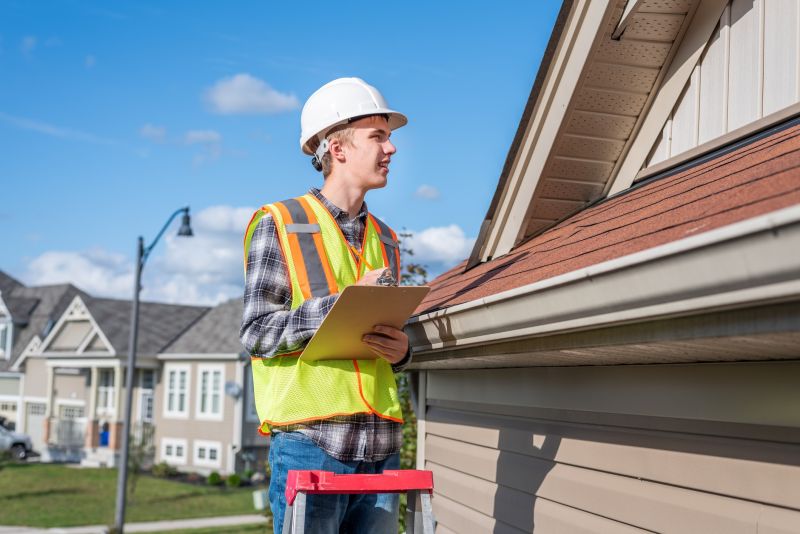
When comparing service providers for roof inspections after a storm, it’s important to consider their experience with similar projects. Homeowners should look for local contractors who have a history of evaluating storm-damaged roofs, as familiarity with common issues like missing shingles, dented flashing, or hail damage can lead to a more thorough assessment. An experienced professional is more likely to identify hidden problems that may not be immediately visible but could cause future leaks or structural concerns. Gathering information about the types of storm-related inspections they have performed can help ensure the chosen service provider has relevant expertise.
Clear, written expectations are vital when selecting a roof inspection service. Homeowners should seek providers who can outline what the inspection will cover, including checking for visible damage, potential leaks, and structural integrity. Detailed communication about the scope of work helps prevent misunderstandings and ensures all concerns are addressed. Service providers who provide written summaries of their findings and recommendations can make it easier for homeowners to understand the condition of their roof and decide on necessary repairs or further assessments.
Reputable references and good communication are key factors in choosing a reliable local contractor. Homeowners are encouraged to request references or reviews from previous clients who had storm-related inspections done. Positive feedback about thoroughness, professionalism, and clarity can provide confidence in the provider’s capabilities. Additionally, service providers who are responsive and transparent in their communication-whether answering questions or explaining inspection results-help foster trust and ensure the homeowner feels informed throughout the process.
Property owners often search for signs you need a roof inspection after a storm when they are planning practical projects around their homes and businesses. Local pros provide Roof Inspection services for everyday jobs and straightforward project options.

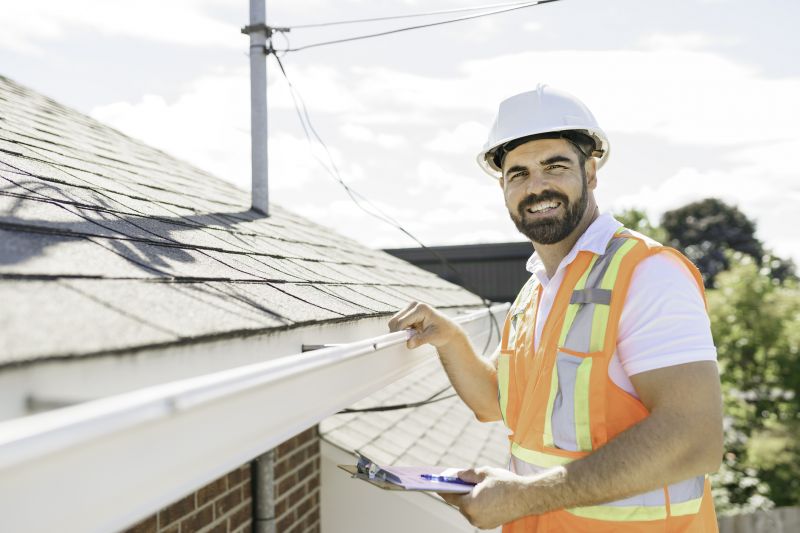
After a storm, property owners in the area might notice visible damage such as missing or loose shingles, which can be a clear sign that a roof inspection is needed. Additionally, residents often discover leaks or water stains inside their homes, especially after heavy rain or strong winds, indicating potential damage to the roof’s protective layers. These everyday situations highlight the importance of having a professional roof inspection to assess any possible issues caused by storm conditions before they lead to more costly repairs.
Many property owners also observe debris on their roofs, such as branches or leaves, which can trap moisture and cause deterioration over time. In some cases, storm-related vibrations or impacts may cause small cracks or dents that aren’t immediately visible but could compromise the roof’s integrity. Consulting with local contractors who specialize in roof inspections can help identify and address these concerns early, ensuring the home remains protected against future weather events.
What are common signs of storm damage on a roof? Visible issues such as missing or broken shingles, dents, or debris on the roof surface can indicate the need for a roof inspection after a storm.
Should I check for leaks after a storm? Yes, water stains or damp spots on ceilings and walls may suggest roof damage that warrants a professional inspection from local contractors.
Can hail or high winds cause hidden roof damage? Absolutely, hail and strong winds can create damage that isn't immediately visible, making a roof inspection important to identify potential issues.
What signs suggest structural damage to the roof after a storm? Sagging roof sections, cracked or shifted flashing, or damaged gutters can be signs that a roof inspection is needed to assess for structural concerns.
When should I consider a roof inspection after a storm? If your property experiences severe weather such as hail, high winds, or heavy rain, contacting local contractors for a roof inspection can help identify damage early on.
Visible damage or debris on the roof - noticing missing shingles, dents, or fallen branches can indicate the need for a roof inspection by local contractors.
Leaking or water stains inside the property - signs of interior water intrusion after a storm suggest a professional assessment may be necessary.
Strong winds or hail reports in the area - experiencing severe weather can cause unseen damage, making a roof inspection a practical step.
Age of the roof combined with recent storms - older roofs exposed to storm damage may require evaluation to ensure continued protection.
If you are thinking about signs you need a roof inspection after a storm for a property, this guide is meant to help you understand this topic, the typical project types, and how different options might fit your plans.
When you are ready, you can use the quote form on this page to share a few details about your project. From there, local pros can review the basics and follow up with options that match what you have in mind.